
The Rise of the Sessionable Spirit: How Soju Became America’s Next Big Drinking Trend
For decades, American drinking culture has been dominated by a handful of familiar anchors: vodka for versatility, tequila for energy, whiskey for craft, gin for sophistication. But in the last three years, a quiet revolution has begun reshaping the U.S. beverage landscape, and its epicenter is not Mexico, Kentucky, or France. It’s Korea.
Soju, once considered a niche ethnic-category spirit, is now one of the fastest-growing beverages in U.S. nightlife, surpassing tequila’s growth rate in some markets among drinkers aged 25–34. The shift is surprising, organic, and deeply tied to the broader wave of Korean cultural influence sweeping across entertainment, dining, fashion, and social media.
Bars are adding soju cocktails to their menus. Liquor stores are expanding Korean spirit sections. Café-bars and fusion restaurants are using soju as their low-ABV anchor. Even non-Korean venues, wine bars, speakeasies, sports bars — have begun experimenting with peach soju mixers or yuzu-soju spritzers.
This is not a trend on the rise.
This is the rise.
In this long-form piece, we’ll explore how soju became one of America’s most important new beverage categories, why it resonates so strongly with younger drinkers, and what it means for restaurants, bars, cafés, and retail beverage programs.
The Cultural Wave Behind Soju’s American Breakthrough
To understand soju’s sudden popularity, we must first understand the cultural ecosystem that lifted it.
K-Pop Normalized Korean Nightlife Rituals
K-pop music videos, behind-the-scenes clips, and livestreams often depict:
- casual drinking culture
- celebratory toasts
- fruit-flavored soju bottles
- shared drinking rituals
Fans who follow idol lifestyles become familiar with Korean spirits long before they encounter them in real life. This catalyzes curiosity.
Korean Dramas Sold the Aesthetic
K-dramas have elevated the romance of the late-night soju bottle.
Scenes regularly feature:
- green bottles on metallic tables
- late-night conversations under warm lights
- traditional “one shot” rituals
- convenience-store snacks paired with drinks
This has created cultural iconography: the “K-drama date,” the “heart-to-heart soju scene,” the “downpour + drinking” moment.
Americans increasingly want to participate in this emotional and aesthetic world.
Korean Cuisine’s Rise Created the Perfect Pairing
As Korean fried chicken, BBQ, and street-food concepts exploded across the U.S., soju naturally followed.
It pairs exceptionally well with:
- spicy wings
- smoky grilled meats
- fermented dishes
- sweet-glazed proteins
- salty snacks
Operators began adding soju because of the cuisine — and then kept adding it because of the demand.
Social Media Fueled Curiosity
TikTok trends such as:
- “soju bomb challenges”
- “Korean cocktail recipes”
- “K-drama drinking moments”
- “fruit soju hack videos”
have pushed soju into mainstream awareness.
Soju’s Core Advantage: It’s Sessionable
American drinking culture has long respected the idea of the “session drink” — something light enough to enjoy across a long conversation, dinner, or celebration.
Soju fits this perfectly.
Lower ABV, Higher Comfort
Most soju clocks in around:
-
12–18% ABV for flavored varieties
-
20–24% ABV for classic styles
This makes it:
- lighter than vodka
- lighter than gin
- lighter than tequila
- more flexible in cocktails
Consumers describe soju as:
- “smoother”
- “lighter on the palate”
- “less punishing the next morning”
The New Middle Ground
For years, drinkers had a binary choice:
- low-ABV seltzers
- high-ABV cocktails
Soju emerges as a middle category, potent enough to feel celebratory, light enough for extended drinking.
This is especially resonant for Gen Z, who tend to drink less overall but prefer socialized, flavorful, lower-intensity beverages.
Flavored Soju: The True Category Killer
When Americans talk about soju, they’re often talking about flavored soju — peach, grape, apple, lychee, yogurt, yuzu.
These varieties have driven much of the recent growth.
Why Flavored Soju Took Off
- approachable for new drinkers
- naturally sweet (no need for mixers)
- colorful, fun, and social-media friendly
- ideal for shots or spritzers
- pairs well with spicy bar food
- low intimidation factor
Many U.S. bars have discovered that flavored soju shots outsell tequila shots among younger drinkers on weeknights.
The “Sharing Bottle” Ritual
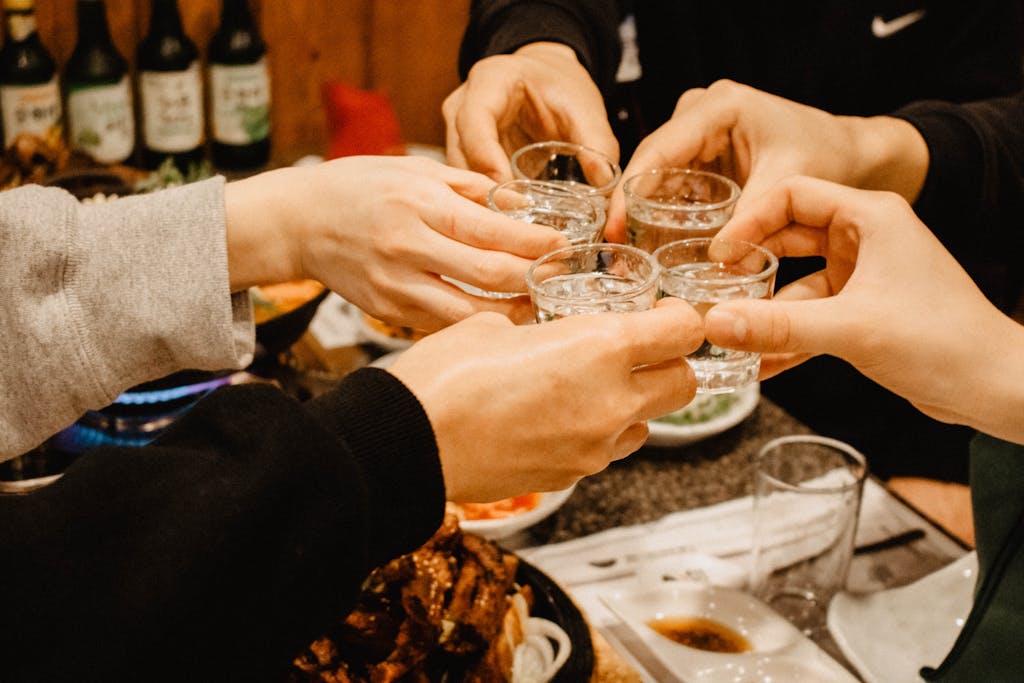
Unlike tequila or whiskey, soju is typically shared among groups.
One bottle → multiple shot pours → social bonding.
This creates:
- longer dwell times
- increased group orders
- a sense of experience
- ritualistic behavior
Bars benefit enormously from this pattern.
Soju Cocktails: America’s New Playground
Operators across the U.S., from small bars to large restaurant groups, are finding that soju-based cocktails are:
- easier to balance
- more cost-effective
- more consistent across shifts
- more “Instagrammable”
- better suited for global flavor infusions
Top Performing Soju Cocktails
Yuzu Soju Spritz
Bright, citrusy, refreshing — perfect for afternoons.
Peach Soju Highball
A playful riff on whiskey highballs.
Gochujang Margarita (Soju-Rita)
Spicy, smoky, sweet — a perfect fusion.
Strawberry Milk Soju
A K-inspired dessert cocktail, soft and nostalgic.
Korean Mule
Soju + ginger beer + lime + Korean chili salt rim.
Why They Sell
- visually appealing
- low-barrier flavors
- ties to K-culture aesthetics
- priced attractively for younger consumers
- pair well with bar snacks
Soju in Non-Nightlife Venues: The Café-Bar Hybrid
A significant trend is emerging in hybrid cafés, coffee shops that transform into low-ABV bars in the evening.
Soju is the perfect spirit for these venues because:
- it keeps licensing simpler in some markets
- it aligns with café aesthetics
- it allows for fruit-forward, soft-colored cocktails
- it doesn’t overpower delicate dessert flavors
Examples:
- matcha + soju spritzers
- dalgona-coffee soju drinks
- Korean fruit-tea cocktails
- milk foam soju lattes
This trend maps directly onto the rise of Korean dessert cafés, which often serve beverages as experiential components, not just refreshments.
Soju in Restaurants: Pairing, Programming, Identity
Korean restaurants have always served soju, but now non-Korean restaurants are joining in. Mediterranean, Latin American, American, and Asian fusion venues have begun integrating soju into:
- pairing flights
- happy hour menus
- brunch cocktails
- dessert menus
Why Soju Works Across Cuisines
Its clean, neutral flavor profile allows it to:
- absorb global flavors
- take on spice
- pair with sweet dishes
- blend into citrus-based drinks
Restaurants can build:
- themed nights (“Soju Social Tuesdays”)
- regional pairings (soju + tacos, soju + tapas)
- dessert cocktails
- tasting flights
The simplicity and sessionability make soju extremely versatile.
Distribution Data: Why Retailers Are Expanding Soju Sections
Liquor stores report consistent growth in:
- flavored soju bottles
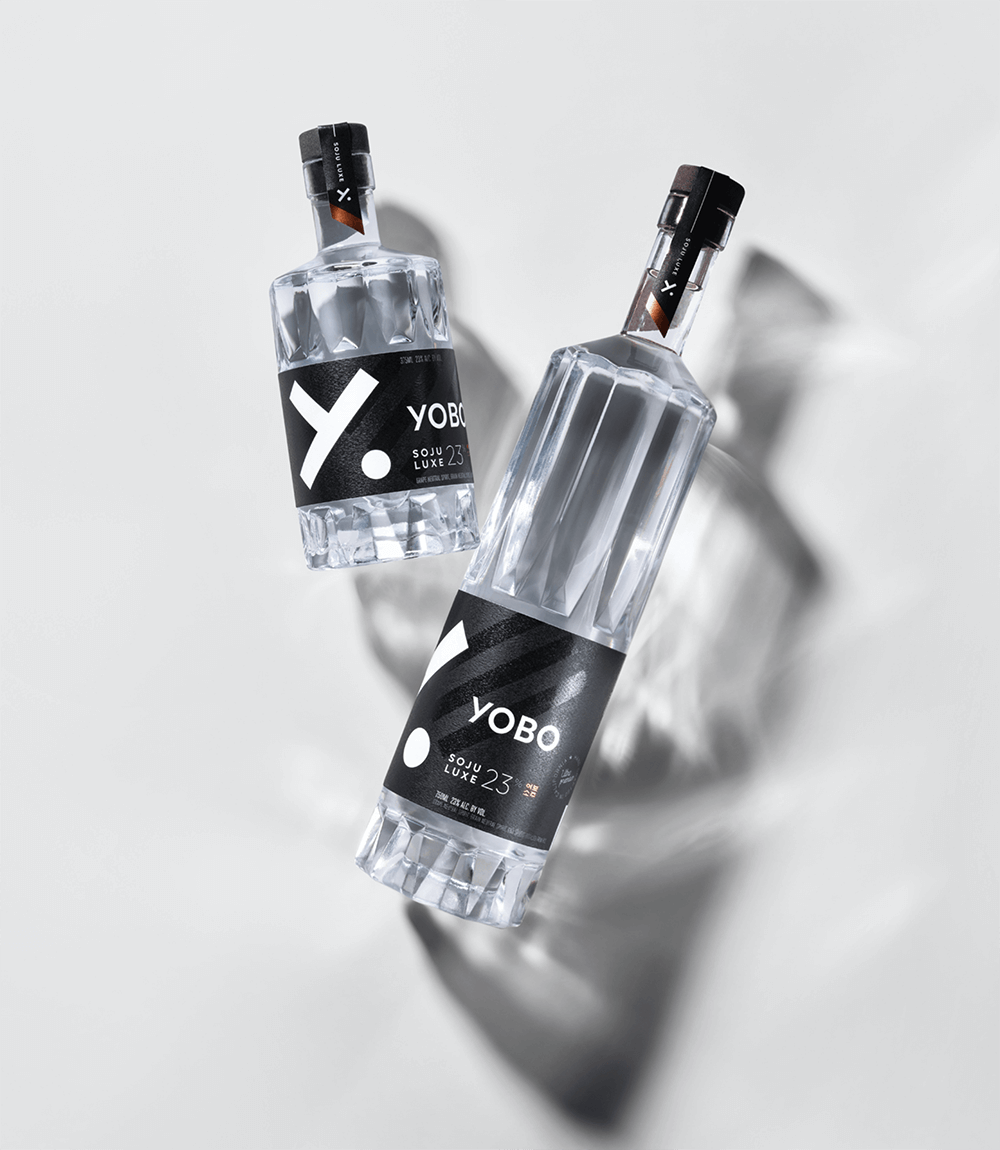
- premium craft soju
- large-format soju bottles for gatherings
- multipacks of mini soju bottles
Some markets have seen soju sales increasing faster than vodka among younger demographics.
Retail Drivers
- social media drink trends
- increased Korean restaurant visitation
- K-pop and K-drama influence
- interest in low-ABV alternatives
- premiumization of Korean spirits
Retailers especially appreciate that customers often purchase multiple flavors at once for group events.
The American Social Context: Why Soju Fits the Moment
Younger Americans are drinking differently:
- less volume
- more intentionally
- more socially
- more flavor-driven
- more influenced by global culture
Soju fits the moment perfectly.
Lighter Drinking Culture
Less bingeing, more sipping.
Flavor Exploration
Consumers want Asian, tropical, citrus-forward, and fruit-based cocktails.
Shareability
Group rituals and bottle-sharing fit modern social dynamics.
Photogenic Drinks
Pastel-colored soju cocktails trend well.
Global Identity
Young drinkers view global spirits as cultural experiences.
Soju isn’t just alcohol, it’s identity + aesthetic + experience.
What This Means for Bars, Restaurants, and Café Operators
Here is how operators can leverage soju strategically.
Introduce a Soju Category on the Menu
List it beside vodka, gin, tequila — not buried in a specialty section.
Offer a Soju Flight
Three flavors, small pours — huge engagement, great margins.
Create K-Inspired Drink Nights
Simple programming with high social traction.
Use Soju to Anchor Low-ABV Offerings
Perfect for guests who don’t want heavy spirits.
Pair Soju with Korean or Spicy Foods
The synergy is undeniable.
Integrate With Aesthetic Culture
Colored glasses, pastel drinks, soft lighting — perfect for social content.
What’s Next for Soju in America
We are in the early stages of the soju boom. Expect to see:
Premium Craft Soju Segments
American-made and Korean-made premium lines will explode.
RTD (Ready-to-Drink) Soju Cocktails
Canned offerings will flood the market.
Flavored Innovations
More exotic fruits, herb infusions, yogurt drinks, chili blends.
Soju in High-End Mixology
Bartenders will treat soju like mezcal, experimenting deeply with infusions.
Crossovers With Dessert Culture
Strawberry milk soju, honey-butter soju, dalgona foam drinks.
Soju Festivals and Night Markets
Expect major events in New York, LA, SF, and Austin.
The Bottom Line: Soju Is Becoming a Core American Spirit
The rise of soju in the United States is not a fad — it’s the natural result of four converging forces:
- The global expansion of Korean culture
- The shift toward lighter drinking
- The rise of shareable, group-based social rituals
- The desire for flavorful, photogenic beverages
Bars love it.
Restaurants love it.
Retailers love it.
Younger consumers really love it.
Soju has become the spirit of the moment, and the centerpiece of a new era in American drinking and café culture.

Read more

In late 2025, something extraordinary happened in global entertainment: an animated film about a fictional K-pop girl group — K-Pop Demon Hunters — not only became a global streaming success but wa...
Read more
The New Nightlife Clock: How K-Pop Release Cycles Are Reshaping American After-Hours Culture
For decades, the rhythms of American nightlife have followed a predictable cadence: Friday and Saturday peak, Thursdays warm up, Sundays wind down. But in the past three years, a new, unexpected fo...
Read more