
The New Nightlife Clock: How K-Pop Release Cycles Are Reshaping American After-Hours Culture
For decades, the rhythms of American nightlife have followed a predictable cadence: Friday and Saturday peak, Thursdays warm up, Sundays wind down. But in the past three years, a new, unexpected force has begun to alter the weekly tempo,K-pop release cycles.
Once considered niche fan events, K-pop comebacks have now evolved into global cultural moments capable of shifting streaming numbers, social media patterns, retail sales, and, increasingly, late-night foot traffic in U.S. bars, cafés, and venues. The surprising part? These spikes are no longer confined to major cities or large Korean diaspora hubs. They are showing up in college towns, mid-market metros, and even suburbs.
With December 2025 predicted to be one of the densest K-pop release months in years, industry watchers are beginning to realize that comeback cycles aren’t simply entertainment, they’re a new social infrastructure.
This article explores how K-pop releases are reshaping American nightlife, how F&B operators can tap into the momentum, and why this trend is only just beginning.
The Comeback Mechanism: Why K-Pop Releases Hit Differently
Most American music cycles follow a straightforward pattern: a single drops, press coverage builds, then perhaps an album follows. K-pop is fundamentally different. A “comeback” — the industry’s term for any new release, is a meticulously orchestrated multimedia event involving:
- teaser photos
- concept films
- pre-release singles
- choreography previews
- tracklist reveals
- livestream countdowns
- music video premieres
- fan mission events (stream goals, posting challenges)
- synchronized streaming and watch parties
This process can stretch for weeks and builds a rolling wave of anticipation that crests on release day.
A Multi-Phase Marketing Engine
Every comeback includes a series of touchpoints that keep fans engaged at all hours:
- Midnight teaser drops
- 5–7 AM U.S. time livestreams tied to Korean schedules
- Release-day YouTube premieres
- synchronized fandom posting marathons
The effect is a “rhythmic heartbeat” across global time zones, and U.S. fans actively participate, adjusting sleep patterns, gathering in cafés, or meeting in bars after work to celebrate.
This rhythmic coordination is what creates offline nightlife spikes around specific K-pop moments.
From Online Frenzy to Offline Foot Traffic
One of the biggest surprises for U.S. operators is how reliably K-pop releases translate into real-world behavior.
Fandom Is a Social Force
K-pop fans rarely consume content alone. They gather. They share. They celebrate. They build rituals around releases. This is not passive listening, this is participatory culture.
As a result, comeback days often lead to:
- spontaneous meetups
- organized listening parties
- group outings after work
- themed drink nights
- social media–driven venue visits
Some bars have even begun adjusting staffing on major release nights after noticing unexpected surges.
The 24-Hour Effects of a Comeback
The typical cycle looks like this:
Morning:
Fans gather in cafés for livestreams timed to Korean morning releases.
Afternoon:
TikTok fills with reaction content, choreo attempts, and commentary, driving interest among casual fans.
Evening:
Fans meet at bars, bubble tea shops, K-BBQ spots, lounges, or multipurpose venues to celebrate the new drop, re-watch the music video, and participate in streaming parties.
These gatherings often happen midweek, which has enormous implications for nightlife operators seeking to increase revenue outside the weekend.
Why K-Pop Fans Are Such Valuable Guests for F&B Operators
K-pop fans are a dream demographic:
- Gen Z and young millennials
- high social-media usage
- strong group behavior
- loyalty to recurring events
- tendency to spend on themed experiences
They don’t just visit once, they return for every comeback.
Community-Driven Behavior
Fandom is a powerful motivator. When a group decides to meet up for a release day, everyone shows up. This creates:
- reliable guest counts
- longer dwell times
- higher per-person spend
- strong photo and video posting
- free publicity for the venue
Operators often underestimate how much fans will spend when celebrating a comeback.
The Themed Drink Effect
Bars offering “comeback cocktails”, colored drinks matching a group’s concept, or flavors inspired by Korean profiles (yuzu, peach, citrus, chili), have seen significant increases in sales. This is partly because fans view themed cocktails as both celebratory and social-media-worthy.
The Cultural Pipeline: How K-Pop Drives Broader K-Culture Consumption
K-pop is rarely the endpoint of someone’s interest, it’s the beginning. Once fans enter the ecosystem, they typically move into:
- Korean fashion
- Korean beauty
- Korean food
- Korean drinks (especially soju)
- Korean dramas
- Korean cafés
This creates a halo effect that benefits multiple industries simultaneously. K-pop primes fans to explore Korean BBQ restaurants, soju cocktails, and Korean-style dessert cafés.
This is why K-pop release spikes correlate so strongly with F&B interest.
Real Examples of K-Pop’s Influence on American Nightlife
Pop-Up Listening Parties in College Towns
Bars near large universities have seen midweek spikes when groups like BTS, Stray Kids, NewJeans, or ATEEZ drop new music. Students often gather for:
- group listening
- drink specials
- choreo challenges
- TikTok filming
These nights frequently outperform the venue’s typical Thursday traffic.
Soju + K-Pop = A Perfect Match
As soju rapidly grows in the U.S., many bars are integrating flavored soju shots or soju mixers specifically for comeback nights. These menus often become permanent after fans request them repeatedly.
Dessert Cafés as Fandom Hubs
K-pop-themed desserts, like strawberry shortcake inspired by girl-group aesthetics or character latte art, have become key drivers of foot traffic in Korean and Korean-inspired cafés.
Retail Events Connected to Comeback Weeks
Record stores, boutiques, and stationery shops (especially those selling K-pop albums or photocard accessories) often partner with cafés to host cross-promotions during release weeks.
Understanding K-Pop’s Global Infrastructure
To fully grasp why comeback cycles matter, it’s worth examining how deeply the K-pop industry has optimized for global impact.
Time-Zone Mastery
Labels carefully schedule releases to maximize visibility across Korea, Southeast Asia, Europe, and the U.S. This ensures fans in American time zones participate in real-time, even if it means events occur late at night.
Social Media Engineering
K-pop labels don’t treat social media as marketing, they treat it as infrastructure. Teasers are timed precisely. Hashtags are coordinated. Fandom challenges are seeded. Music videos are optimized for virality.
Built-In Fandom Missions
Fans often work together to achieve streaming milestones or viral moments. These missions build momentum and organically lead to meetups.
The Power of Visual Concepts
K-pop releases are as visual as they are musical. This has major implications for nightlife, as fans seek environments that match the group’s vibe; neon, soft-lit, cyberpunk, pastel, minimalist, etc.
How F&B Operators Can Leverage K-Pop Release Cycles
You don’t need to be a Korean restaurant or bar to benefit. The goal is to align with the energy of the moment, not mimic Korean culture.
Here are high-impact, low-lift ways to participate.
Host Comeback Nights
Tie them to major groups or cluster multiple releases into one event. Offer:
- themed cocktails
- colored mocktails
- snack pairings
- giveaways or photo areas
Social media does the rest.
Release Day Listening Parties
Even if fans have already heard the song, they love group reactions. Provide screens or projectors when possible, or just a sound system.
K-Pop Playlists that Update Weekly
Curate playlists that evolve with release cycles. Fans notice when a venue “gets it.”
Collaborate with Local Fanclubs
Most cities have active fanbases for BTS, TWICE, BLACKPINK, Stray Kids, and more. They are always looking for host venues.
Soju Cocktail Specials
Even simple offerings, yuzu soju spritzer, peach soju soda, Korean chili margarita, resonate strongly with fans.
The Business Case: Why K-Pop Aligns Perfectly with Nightlife Economics
The nightlife industry thrives on:
- novelty
- community
- recurring events
- visually engaging experiences
- young consumers who share content online
K-pop fandom culture delivers all five.
Consistency Matters
Release cycles are predictable. Major groups announce comebacks weeks ahead. This allows venues to plan:
- staff schedules
- drink menus
- decor updates
- social media promotion
- partnerships with distributors or Korean brands
Low Cost, High Return
Unlike live music nights, comedy, or DJ events, K-pop nights require minimal infrastructure but generate high energy and long dwell times.
What Comes Next: K-Pop’s Expanding Cultural Gravity
K-pop’s influence on nightlife is poised to grow even further through:
Virtual Concert Nights
Fans gather to watch livestreamed concerts together, a massive opportunity for bars with projectors.
Fandom-Specific Theme Nights
“ATEEZ Night,” “TWICE Night,” “Seventeen Night”, each attracts different crowds.
Crossovers with K-Fashion
Fans often dress according to comeback concepts, opening doors for fashion partnerships.
Music-Driven Drink Innovation
Groups releasing fruit-forward or color-coded concepts inspire new beverage menus.
Integration with Korean cuisine
As Korean food expands nationally, pairing K-pop with K-dining becomes increasingly natural.
The Bottom Line: K-Pop Is Redefining the Rhythm of American Nightlife
The American nightlife clock once revolved around weekends, holidays, and local events.
Now, increasingly, it revolves around:
- teaser schedules
- concept drops
- comeback releases
- livestream premieres
- global fan missions
This cultural infrastructure is reshaping how young Americans gather, celebrate, and choose where to go out, and the businesses that adapt to this rhythm will thrive.
K-pop isn’t just sound.
It’s not just fandom.
It’s a social engine, a traffic driver, and a new programming framework for modern venues.
We are witnessing the rise of a new nightlife era, and it beats to the sound of the comeback cycle.

Read more
The Rise of the Sessionable Spirit: How Soju Became America’s Next Big Drinking Trend
For decades, American drinking culture has been dominated by a handful of familiar anchors: vodka for versatility, tequila for energy, whiskey for craft, gin for sophistication. But in the last thr...
Read more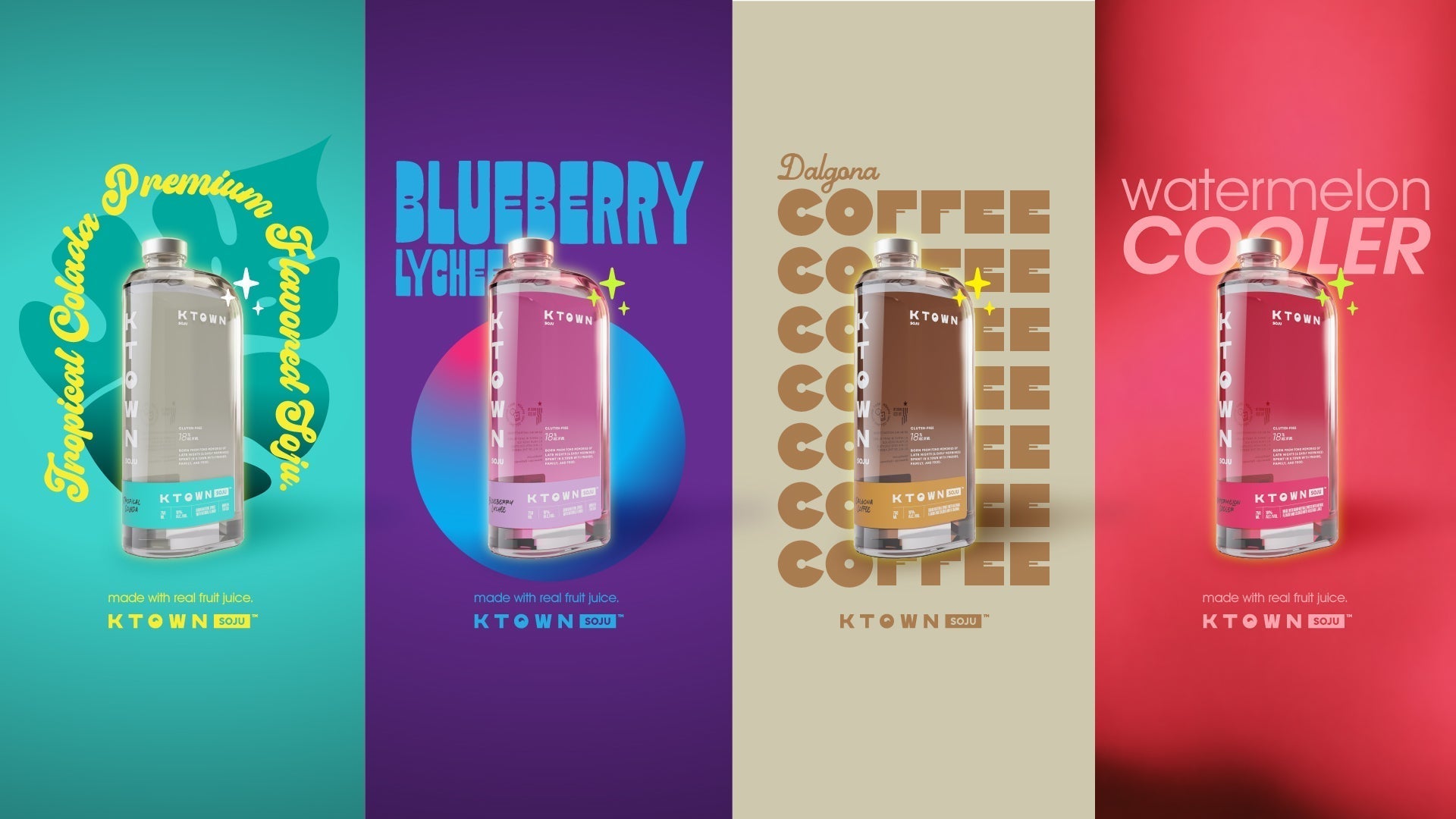
KTOWN Soju Introduces Four Bold New Flavors Built for Every Kind of Sip
From bright and fruity to rich and indulgent, KTOWN Soju is bringing more flavor, more variety, and a whole lot more personality to the soju aisle. KTOWN Soju is turning up the flavor with the laun...
Read more