
When Fiction Outperforms Reality: How “K-Pop Demon Hunters” Signaled a New Era for K-Culture Media in America
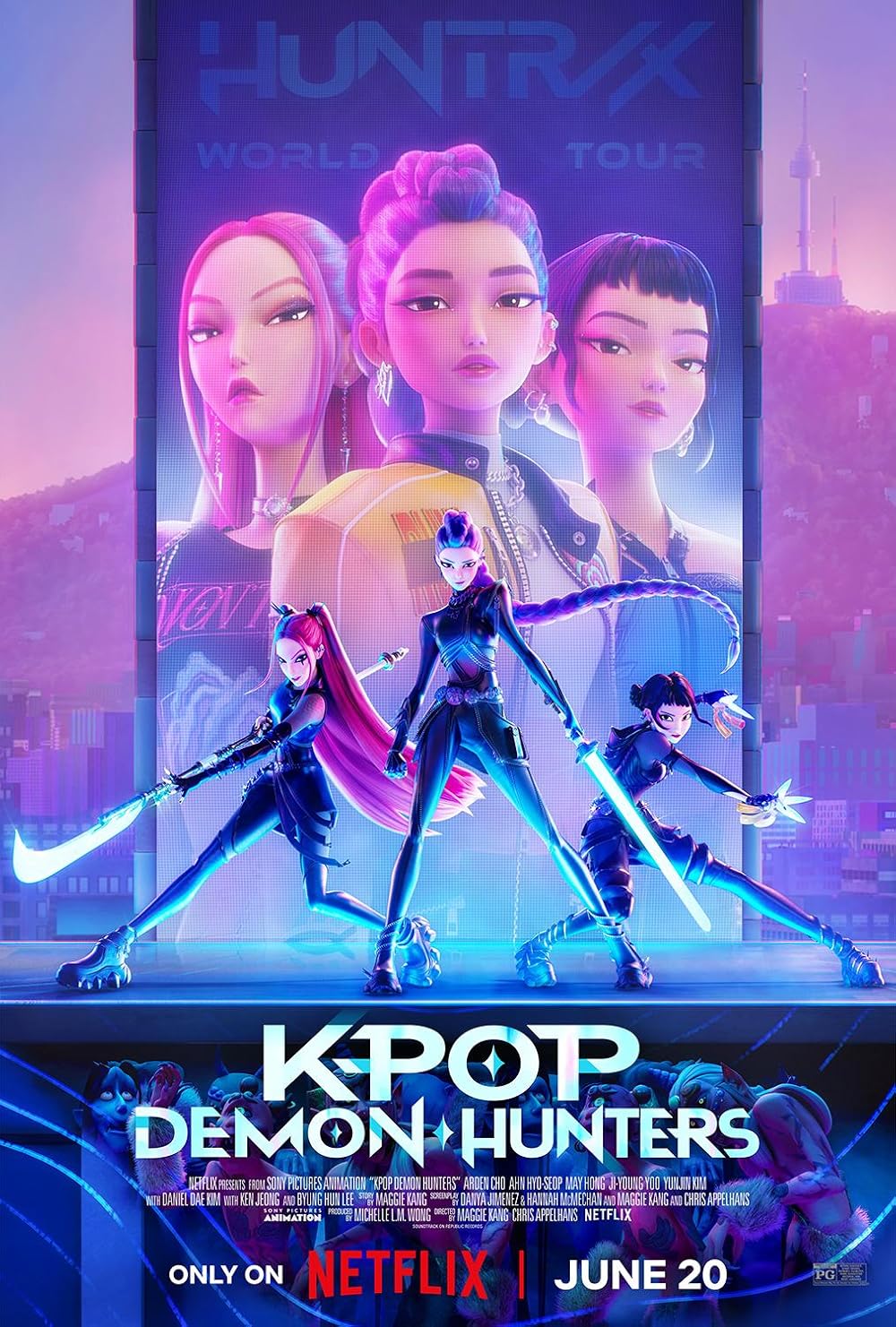
In late 2025, something extraordinary happened in global entertainment: an animated film about a fictional K-pop girl group — K-Pop Demon Hunters — not only became a global streaming success but was named TIME Magazine’s 2025 Breakthrough of the Year. Even more surprising, its soundtrack began outperforming songs by actual K-pop idols on real U.S. music charts.
This is more than a viral moment.
More than novelty.
More than fandom enthusiasm.
It is a turning point, one that signals the emergence of a new hybrid category where animation, K-pop, global fandom culture, and digital-first storytelling merge into a cohesive entertainment ecosystem. And its ripple effects are already shaping how Americans consume media, gather socially, and engage with Korean culture across film, dining, nightlife, and retail.
This long-form exploration breaks down why this phenomenon matters, how it happened, and what it means for the future of K-culture — especially for F&B operators looking to ride this wave.
The Unexpected Rise of Animated K-Culture
Korean dramas and live-action films have been rising in global popularity for over a decade, especially through Netflix hits like Squid Game, Crash Landing on You, and The Glory. But K-Pop Demon Hunters represents something different, a crossover genre where K-pop aesthetics, fantasy action, and animation converge into an entertainment format that is scalable, flexible, and deeply global.
Why Animation?
Animation carries unique advantages:
- It transcends language barriers
- It avoids real-idol controversies or scheduling conflicts
- Visual style can reflect hyper-stylized K-pop concepts
- Storylines can be amplified beyond real-world constraints
- Characters can be aspirational archetypes tailored to global audiences
In many ways, animation is the ideal medium for expressing the maximalist, high-concept, visual-first nature of K-pop.
The “Fictional Idol” Effect
“K-pop but animated” isn’t new, but it has never been done at this scale. K-Pop Demon Hunters demonstrated that fictional idols can compete directly with real idols for:
- playlist spots
- chart performance
- fan art
- cosplay
- online fandom activity
The OST topping charts was not a fluke, it was a signal.
We are entering an era where fans can emotionally invest in characters who never age, never get embroiled in scandals, never take hiatuses, and can embody idealized versions of idol culture through storytelling.
Why This Film Resonated in the U.S.
American audiences didn’t just watch the film, they adopted its characters and music into their fan ecosystems. The reasons for this are multifaceted and worth examining.
The Rise of Animation as Adult Entertainment
Anime, adult animation, and hybrid action-animation genres have exploded among Gen Z and millennials in the U.S. This audience is:
- visually fluent
- character-driven
- fandom-oriented
- comfortable crossing between live action and animation
K-Pop Demon Hunters enters this environment as a perfect fit: a visually bold, story-driven, emotionally heightened narrative rooted in music-fandom archetypes.
A Built-In Soundtrack Ecosystem
Unlike most animated films, the soundtrack didn’t support the film, the film supported the soundtrack. The music was engineered to be:
- playlist-friendly
- danceable
- performance-ready
- TikTok-optimized
- K-pop sophisticated
Songs didn’t sound like “movie music.” They sounded like actual K-pop tracks from a major label.
Cultural Hybridization Done Right
The film wasn’t about “Korea explaining itself to the world.”
It simply existed confidently as K-culture and invited global audiences in.
This is crucial. Modern Korean entertainment avoids the trap of overexplanation, allowing stories, aesthetics, and characters to speak for themselves — a strategy that has proven wildly effective across K-dramas, K-beauty, and K-fashion.
A Fandom Infrastructure That Amplifies Itself
K-pop fans are expert content creators. They:
- clip scenes
- remix soundbites
- make fancams
- design fan art
- generate cosplay trends
- coordinate reaction events
Animation gives them more raw material to work with, faces, poses, moments, color palettes, all perfectly crafted for viral behavior.
From Screen to Social: The Cultural Resonance of Fictional Idols
The characters of K-Pop Demon Hunters have taken on lives of their own across digital spaces. The fandom surrounding them is not simply fandom for a movie, it’s fandom for a new kind of idol ecosystem.
Character Fancams
Fans have begun creating animated fancams, the same format typically reserved for real idols. These videos remix fight scenes, emotional moments, and choreographed sequences with K-pop-style editing.
Cosplay and Fan Design
The film’s costume design, a blend of futuristic cyber-idol aesthetics and Korean folklore motifs, has sparked cosplay trends at conventions, nightlife events, and even in K-pop-themed bars.
OST Influence
Songs from the movie have trended on TikTok, often disconnected from their film context. Users treat them like any other K-pop release, an extraordinary cultural crossover.
The American Venue Effect: Why This Matters for F&B Operators
The rise of “fictional idol fandom” has unexpectedly strong implications for bars, restaurants, cafés, and nightlife venues. Here’s why:
Animation Broadens the Demographic
While K-pop is massive, some consumers (especially families or older millennials) feel more comfortable engaging with animated content than idol-specific fandom culture.
K-Pop Demon Hunters bridges that divide.
This means:
- watch parties span multiple age groups
- themed events feel more accessible
- fandom becomes cross-generational, not niche
Themed Events Become Lower-Lift
Because the film has strong stylistic cues, neon palettes, magical effects, streetwear-meets-fantasy wardrobes, venues can host animation-themed nights with:
- projected scenes
- color-coded cocktails
- music-driven energy
- simple decorations
Minimal production cost, maximum vibe.
OST Nights Have Surprising Pull
Venues have found that fans will gather to replay OST tracks the same way they do for real idol comebacks.
The soundtrack has become:
- a dance-night staple
- a pregame playlist
- a karaoke request
- a reason to host special events
Crossovers With Korean Food and Drink
The film’s success boosts demand for:
- Korean fried chicken
- street-food snacks
- fruit-flavored soju cocktails
- Korean-style café desserts
Fans want the full K-cultural experience.
For Korean restaurants and bars, or any venue experimenting with Korean flavors, this is a golden moment.
Why Fictional Idols Are So Powerful
To understand why K-Pop Demon Hunters broke out, we should explore why fictional idols resonate even more strongly than some real idols.
No Scandals
The characters cannot get embroiled in real-life controversies. This creates permanent fandom safety.
Perfectly Crufted Aesthetics
Every frame is controlled. Every hairstyle, outfit, and emotional moment is designed for impact. This allows studios to create flawless, aspirational idols.
Limitless Storytelling
Characters can battle demons one moment and perform on stage the next, something no live-action project could sustain believably.
Global Accessibility
No language or cultural barriers. Dubbed versions allow fans to engage instantly, regardless of origin.
This positions fictional idols as a new entertainment frontier — one with staying power.
The Bigger Picture: How This Film Signals the Future of K-Culture
K-Pop Demon Hunters is not just a film success, it is a blueprint for what K-culture may become in the next decade.
Multimedia Idol Ecosystems
Studios may begin creating fictional K-pop groups with:
- ongoing music releases
- scripted series
- live virtual concerts
- merch lines
- video games
- AR/VR meet-and-greet experiences
This is “transmedia K-pop,” and the U.S. is primed for it.
Korean Animation Expansion
Korean animation studios, long overshadowed by Japan, are now receiving global recognition. Expect:
- more K-pop-themed animated films
- hybrid action/fantasy stories
- K-drama-inspired animation remakes
Rising Interest in K-Folklore
The film's blending of K-pop with Korean mythological elements (문, 귀신 folklore, protective talismans, spirit worlds) introduces American audiences to cultural symbols that may weave into fashion, tattoos, art, and food.
A New Fan Economy
Fictional idols allow:
- infinite storylines
- consistent branding
- global scalability
This creates fertile ground for:
- live events
- licensed drinks or snacks
- apparel collaborations
- experiential pop-ups
The American F&B sector will be a key beneficiary.
Practical Opportunities for Bars, Cafés, and Venues
To capitalize on this trend, operators can explore:
Animation-Themed Nights
Host screenings or soundtrack parties.
Character-Inspired Menus
Design cocktails or small plates tied to:
- color palettes
- personality traits
- narrative elements
Cosplay-Friendly Events
Offer discounts or photoshoots for guests in themed attire.
OST-Driven Brunches or Late-Nights
Leverage the film’s rising soundtrack.
Partnerships With Local Creatives
Artists, cosplayers, and musicians can elevate the event atmosphere.
The Bottom Line: A New Frontier for K-Culture in the U.S.
K-Pop Demon Hunters didn’t succeed despite being animated, it succeeded because it was animated.
It reflects a shift in U.S. media consumption:
- toward characters
- toward hybrid storytelling
- toward globalized aesthetics
- toward fandom as identity
- toward transmedia engagement
Most importantly, it shows that K-culture in the U.S. is evolving beyond imported dramas and idol groups, into a vast, flexible universe where Korean creativity can manifest in any medium.
This is the beginning of a new cultural paradigm, one where fictional idols influence real social behavior and where animated Korean stories foster real-world dining, nightlife, and community experiences.
K-culture has rewritten the rulebook, and K-Pop Demon Hunters is the first chapter of a much bigger story.

Read more

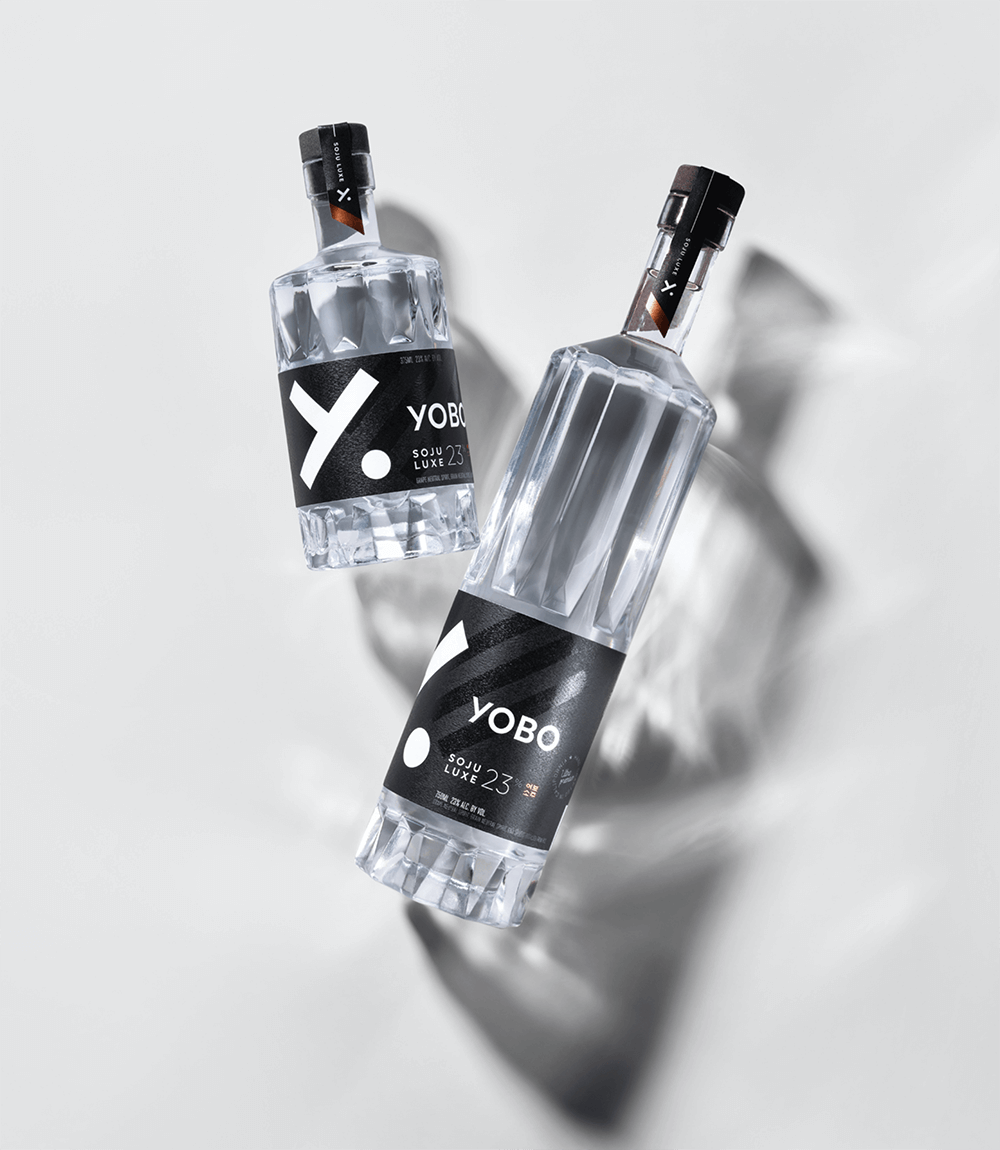
KTOWN Soju and Yobo Soju Luxe Join RTM Portfolio, Align Nationally with RNDC for Distribution
[San Antonio, TX] — [11/1/2025] — RTM, a leading U.S. importer with a longstanding reputation for curating distinctive wines and specialty spirits, today announced that KTOWN Soju and Yobo Soju Lux...
Read more
The Rise of the Sessionable Spirit: How Soju Became America’s Next Big Drinking Trend
For decades, American drinking culture has been dominated by a handful of familiar anchors: vodka for versatility, tequila for energy, whiskey for craft, gin for sophistication. But in the last thr...
Read more